Step by Step, we imagine, we create.
Our Cotton Seed
100%
NON GMO
Sucking Pest Resistant
Quality
Lint Cotton
The Positive Change
we can create
High employment opportunities
Provides a good opportunity for African growth
Source of raw materials to the textiles and other industries
Source of income for farmers
The stalks are used for heat generation i.e cooking, room warming etc
The Nigerian Textile Industry is the largest employment sector after the federal government jobs. Has the capacity to employ 100,000 people
What it’s like NOW
The consequences of the decline of cotton in Nigeria
Fewer employment opportunities
Decrease of textiles garments manufacturing in the country
Non-existence of satisfactory quality assurance and certified grading
Poor systems of input for farmers
Non-certified cottonseed production and distribution
At present Nigeria has closed 120 textile firms in 2022. Due to a lack of proper leadership in the industry including poor domestic marketing
Fashion
Negative Impact of Fashion Production
The drop in garment prices over the last two decades has caused society to buy more and more clothes than we actually need.
The truth standards, this accumulation of cheap garments is only possible because of a constant reduction of production costs.
This has a negative impact on our health, our planet, and garment workers’ lives.

Fast Fashion
Carbon Emissions
The quality of garments is declining every year. Fashion trends are constantly changing, and we can’t keep up which encourages people to keep purchasing and purchasing.
The focus on producing large quantities of cheap clothing means that corners are often cut in terms of materials and manufacturing processes, resulting in lower-quality garments.
This is how fast fashion works: Mass production made cheap, disposable clothing. The constant pressure to release new collections and keep up with changing fashion trends can lead to a never-ending cycle of consumption and waste and programming of the mindset of consumers, that what they have in their wardrobe is old and they need something new.
80 BILLION garments are produced each year
52 Micro-collections per year are related by fast fashion brands instead of the usual 2 seasons.
400% more clothes are produced now compared to two decades ago.
7 times in average, a garment is worn before being thrown away.
35kg textile waste is generated per person per year in the US in average.
Only 20% to 30% of the clothes of most women’s wardrobes are being worn.
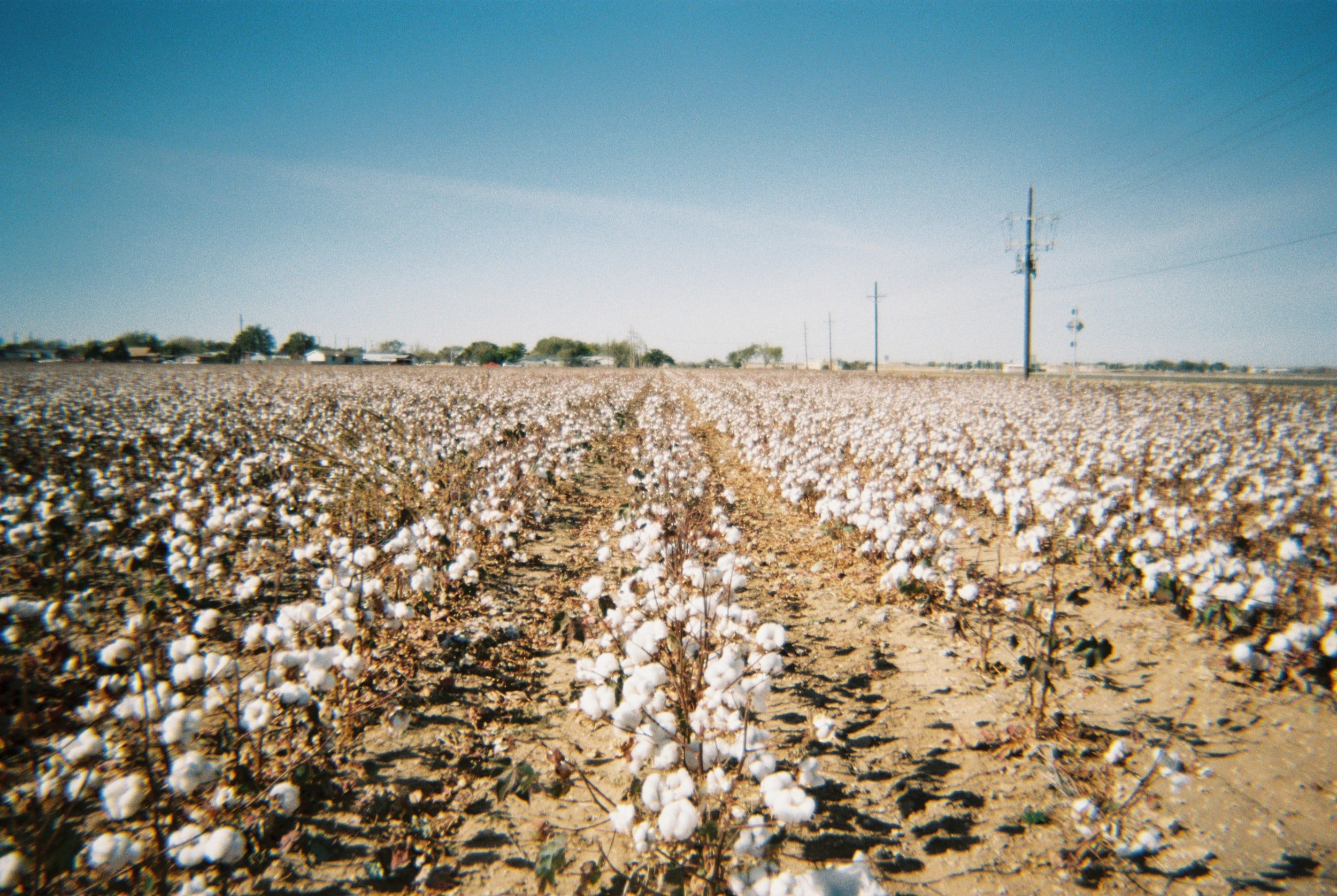
Environmental Impacts of Fashion
After the oil industry, the fashion industry is the second largest polluter in the world which is causing a negative impact on the environment as the industry grows. There are solutions to this problem by shifting to organic cotton.
Water Sources
Where most of our clothes are produced, untreated toxic wastewater from textile factories is dumped straight into the rivers. This wastewater contains extremely toxic substances that are harmful to aquatic life and to the health of millions of people living by those rivers. The spread is so fast it travels to the sea and eventually goes around the globe.
Another huge negative influence on water contamination is the use of fertilisers for cotton production, which pollutes runoff waters and evaporation waters.
What we can do
What we can do
Only choose clothes made in countries with stricter environmental regulations in this case everyone is protected.
Choose organic fibres and natural fibres that do not require chemicals to be produced.
20% of industrial water pollution comes from textiles treatment & dyes.
200,000 tons of dyes are lost to effluents every year.
22,000 litres of toxic waste is dumped into rivers by tanneries in Bangladesh every day.
Organic Farming
Creating a system for life to thrive

Don’t forget to look down!
Impact of Climate Change on Organic Farming Techniques
-
Many organic cotton farmers grow food crops in addition to cotton, which helps to increase food availability and diversify their sources of income.
-
Access to food can improve not only for the farmers themselves but also for the local community. By growing a variety of food crops alongside cotton, organic cotton farmers are able to sell their excess produce in local markets, which can help to increase the availability of fresh, locally grown food.
-
Higher crop diversity can increase the stability of the food supply, as farmers have a greater range of crops to fall back on in case one or more crops fail. Market fluctuations, weather-related issues, diseases and pests can lead to unpredictable growing conditions.
By growing a variety of crops farmers can better manage risk and build resilience into their agricultural systems.
-
Organic farming practices rely on natural methods of pest control and soil fertility, which can reduce the risk of contamination from pesticides and other harmful chemicals.
This not only benefits the health of the people consuming the food, but also the environment and the soil, as there is no build-up of toxic chemicals in the ecosystem.
“What we’re doing to the soils, we’re doing to ourselves.”

IN HARMONY WITH NATURE
Soil Regeneration
Organic farming works in harmony with nature rather than against it. Instead of chemical inputs, organic cotton farmers use a range of natural techniques to maintain healthy soils and restrict pests, weeds and diseases.
-
Frequently changing the crop varieties grown on each field helps to
improve soil structure and restrict the build-up of pests, weeds and diseases.
-
Nitrogen is essential for soil fertility and leguminous crops have root systems that contain nodules of nitrogen-fixing bacteria. Therefore, effective crop rotations must include legumes, which also happen to be nutritionally beneficial due to their high protein content. Important legumes in agriculture are alfalfa, beans, cover, cowpea, lupines, peanut, soybean, and vetches.
-
Intercropping involves planting alternate rows of different crops. This has multiple benefits, primarily, increased productivity due to having slightly different resource use patterns-maximising efficiency.
-
Trap crops, usually planted around the border, are grown specifically to attract unwanted pests away from main crops.
-
Planting cover crops when land is not in use protects soil from harsh weather conditions- reducing erosion, evaporation and nutrient loss. Cover crops also reduce weed growth and, if leguminous (which they often are), improve soil fertility.
Stand with us. Support Yield Initiatives
Stand with us. Support Yield Initiatives

Supporting Yield Initiatives will speed the adoption of better practices, and sustainability will follow; Once farmers' lives are improved through higher-yielding crops, care of the land follows. We need your help!